Loading a casino client on a Windows machine and hitting a black screen never feels like much of a fair go. Plenty of punters in Parramatta and Penrith have watched a brand-new desktop rig stumble on what should be a simple lobby screen, then wondered whether the real issue is the hardware or the operator behind the cashier. Sorting that out means weighing your machine against the casino’s actual published specs, then checking the licence, security stack, and responsible-play tools before you even open the lobby. This walkthrough runs through the practical sequence a player follows when sizing up a desktop casino, with the trust checks built into every step.
Checking Your Rig Against the Casino’s Published Specs
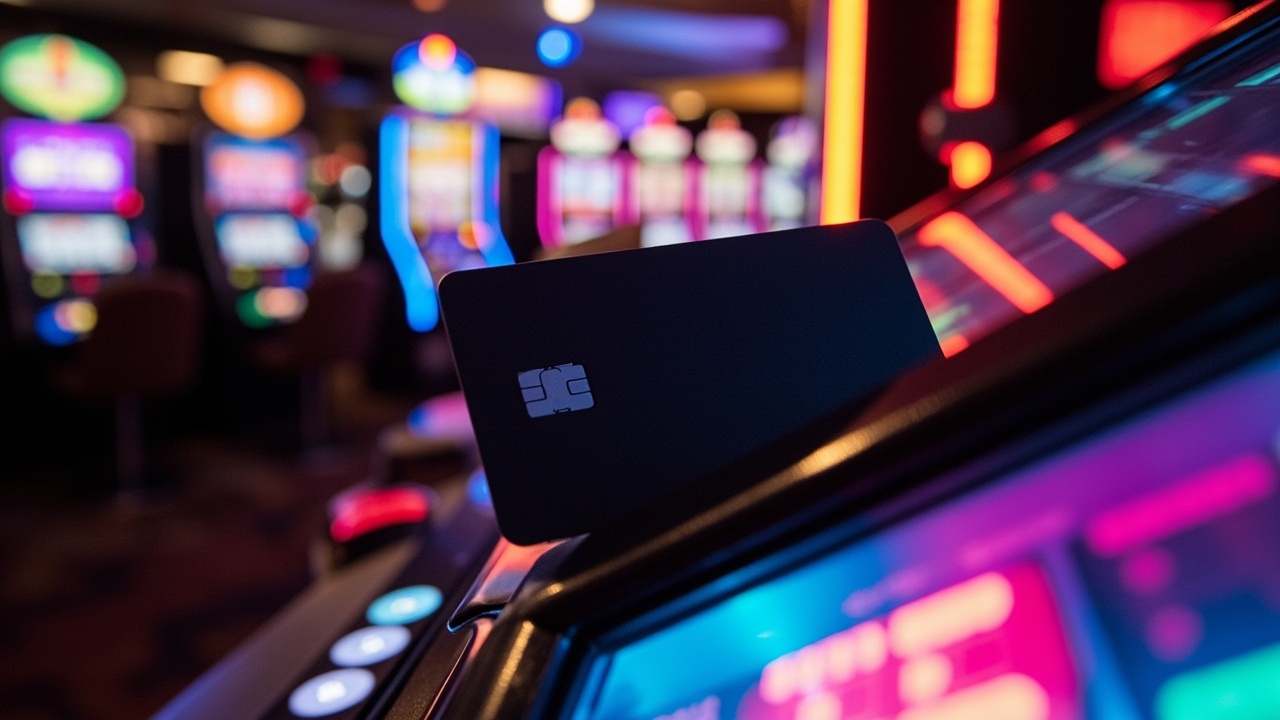
Most downloadable casino clients for PC run happily on anything built in the last six or seven years, and operators will usually list a baseline rather than a wishlist. A modest quad-core processor, 8GB of RAM, a DirectX 11-capable graphics card, and around 5GB of free disk space will cover the bulk of mainstream lobbies. Windows 10 or 11 64-bit is the standard floor, with .NET 4.7 and current Visual C++ redistributables expected to already be sitting on the drive.
Where things get fiddly is live dealer rooms and 3D pokies. Those tend to push the recommended spec toward 16GB of RAM and a discrete GPU, since the video streams do most of the visual heavy lifting. Before downloading anything, compare your system info against the operator’s support page. If a casino hides its specs, that is a tell in itself – a transparent brand will publish a short, plain-English requirements sheet, which is also where you should expect to see encryption, licence, and RNG notes close by. When the same page confidently explains things like a progressive jackpot and how it works across networked games, you are usually looking at an operator that takes documentation seriously. If you want to compare notes, the technical explainer at what a progressive jackpot really is is a handy reference point before you commit a download.
Reading the Licence, Encryption, and Account Controls
Specs only tell you whether the client will open. Trust tells you whether it is worth opening at all. Start with the footer of the casino homepage and check the regulator: a Curaçao eGaming licence is the most common offshore seal you will see for Australian-facing brands, and it should display a verifiable licence number rather than a stock badge. Pair that with a stated RNG auditor such as iTech Labs or GLI, because independent testing is the quiet backbone of any fair platform.
On the data side, look for TLS 1.3 encryption on the cashier, two-factor authentication in the account settings, and a clear privacy policy that names the data it collects and why. Responsible-play tools should sit one click away from the cashier – deposit limits, cooling-off windows, self-exclusion, and reality checks that pop up during long sessions. A casino that buries those controls three menus deep is signalling that compliance is an afterthought, not a feature. If the settings page is hard to find, the bonus terms will probably be just as slippery.
Walking Through the Registration and KYC Step
The signup flow is where you feel whether a casino’s trust claims are real or marketing paint. A clean registration should ask for email, password, country, and currency in under two minutes, with AUD supported for Australian players and no forced bonus opt-in. After the account is live, the KYC stage should request a photo ID, proof of address, and a payment method confirmation – standard verification work from operators in this space, and not something you should be encouraged to skip.
What you want to watch for is timing and tone. A trustworthy operator processes KYC within 24 to 72 hours, sends a clear email at each stage, and never pressures you to deposit before verification is complete. Live chat should be reachable from the registration screen itself, not only after you have funded the account. If support is missing during sign-up, expect it to be missing when a withdrawal is the issue.
Banking, Payout Speed, and the Download Itself
Payment options matter as much as pixels here. For Australian players, the usual mix is Visa and Mastercard, bank transfer, and crypto wallets such as USDT or Bitcoin, with AUD available at the cashier to avoid conversion drag. Minimums around $1 keep testing casual, and withdrawal ceilings should be published clearly rather than buried in the bonus small print.
The download itself is the moment of truth. A clean installer should weigh in at well under 1GB, run a quick integrity check, and launch into a lobby that loads in a few seconds on a mid-range desktop. If your machine meets the published spec and the lobby still crawls, the bottleneck is likely the operator’s content delivery network, not your hardware. That is also worth noting before you chase a bigger welcome bonus elsewhere, since a sluggish client rarely gets faster once you are a depositing player. Anyone comparing their setup against a known solid operator can benchmark their drive against CrocoSpins login to feel the difference a well-tuned client makes on a similar rig.
At the end of the day, the right PC specs just get you through the door. Licence, encryption, KYC discipline, and payout reliability decide whether the room inside is worth sitting down in. Check the requirements, confirm the regulator, and only then click download – she’ll be right if you do the homework first, and a proper nightmare if you don’t.